
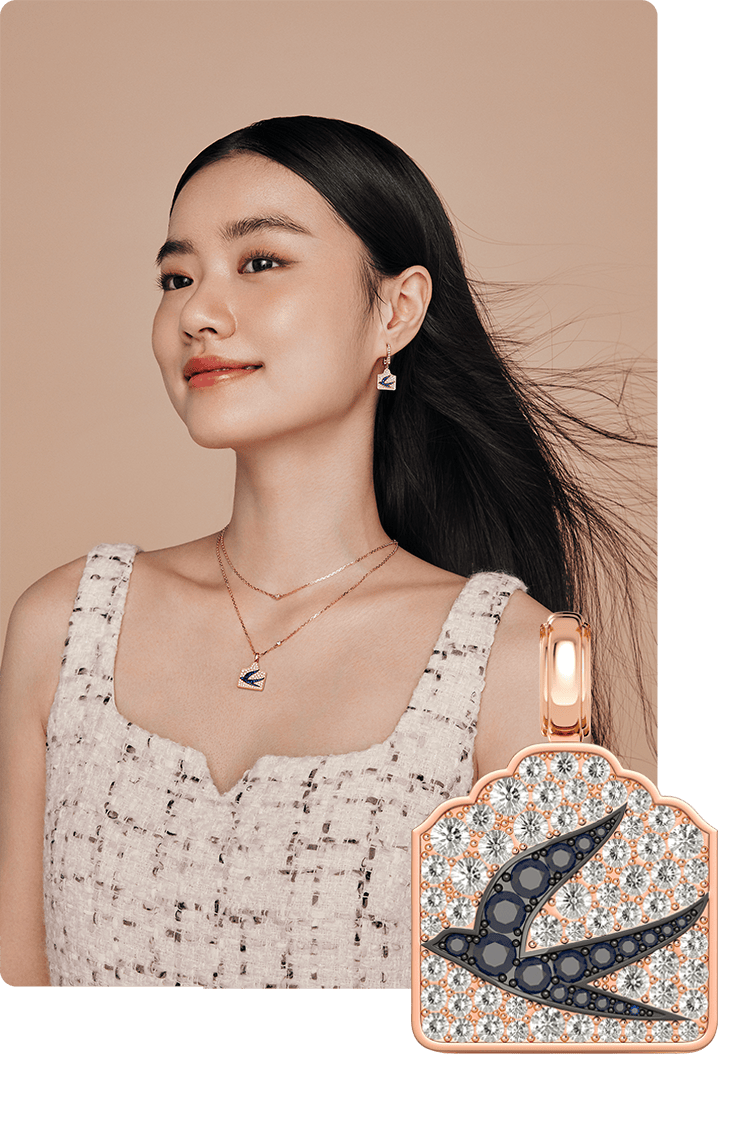
From ZHIFU New Year Red Envelopes: The Aesthetic Translation and Spiritual Expression of Chinese Brands
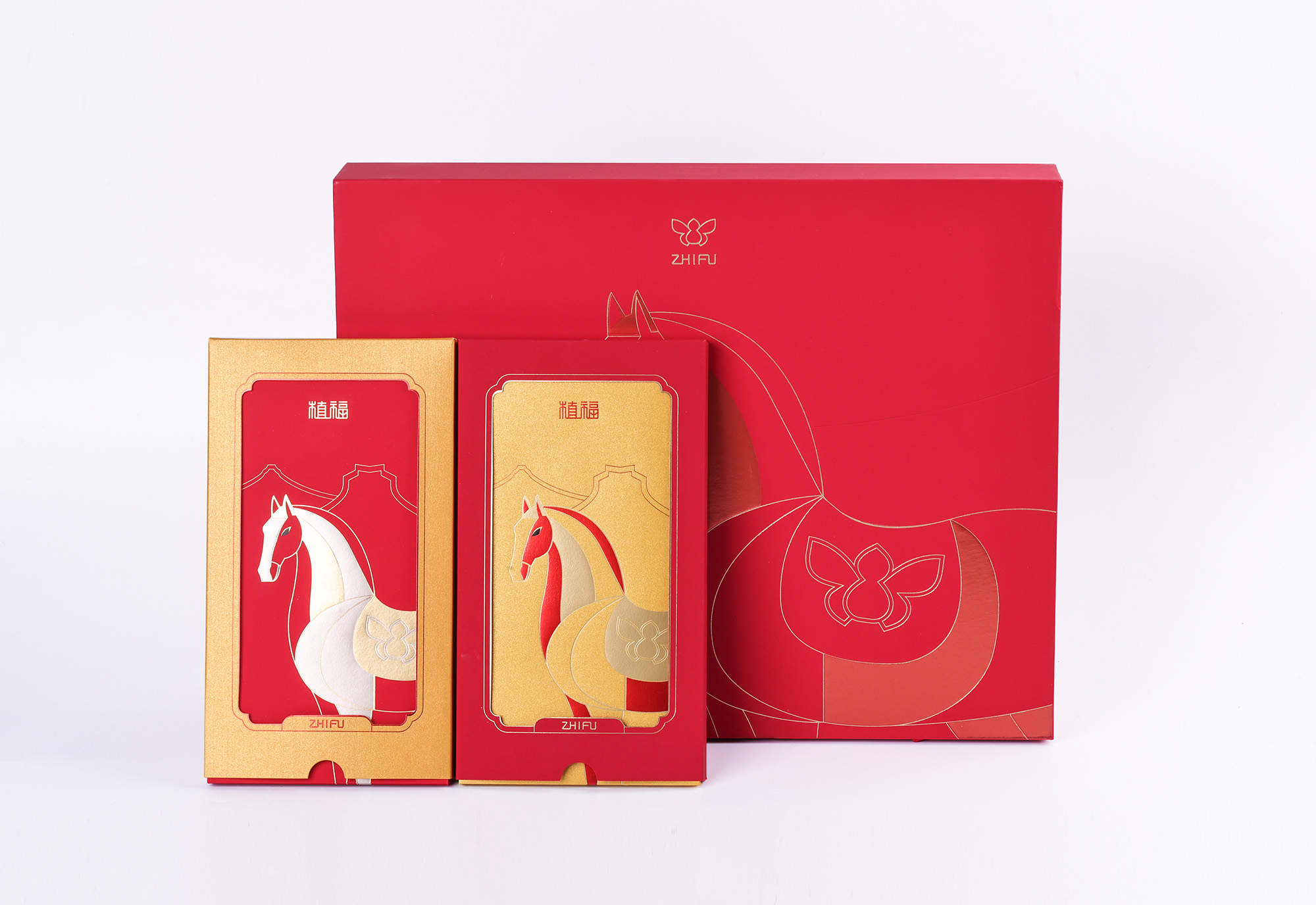
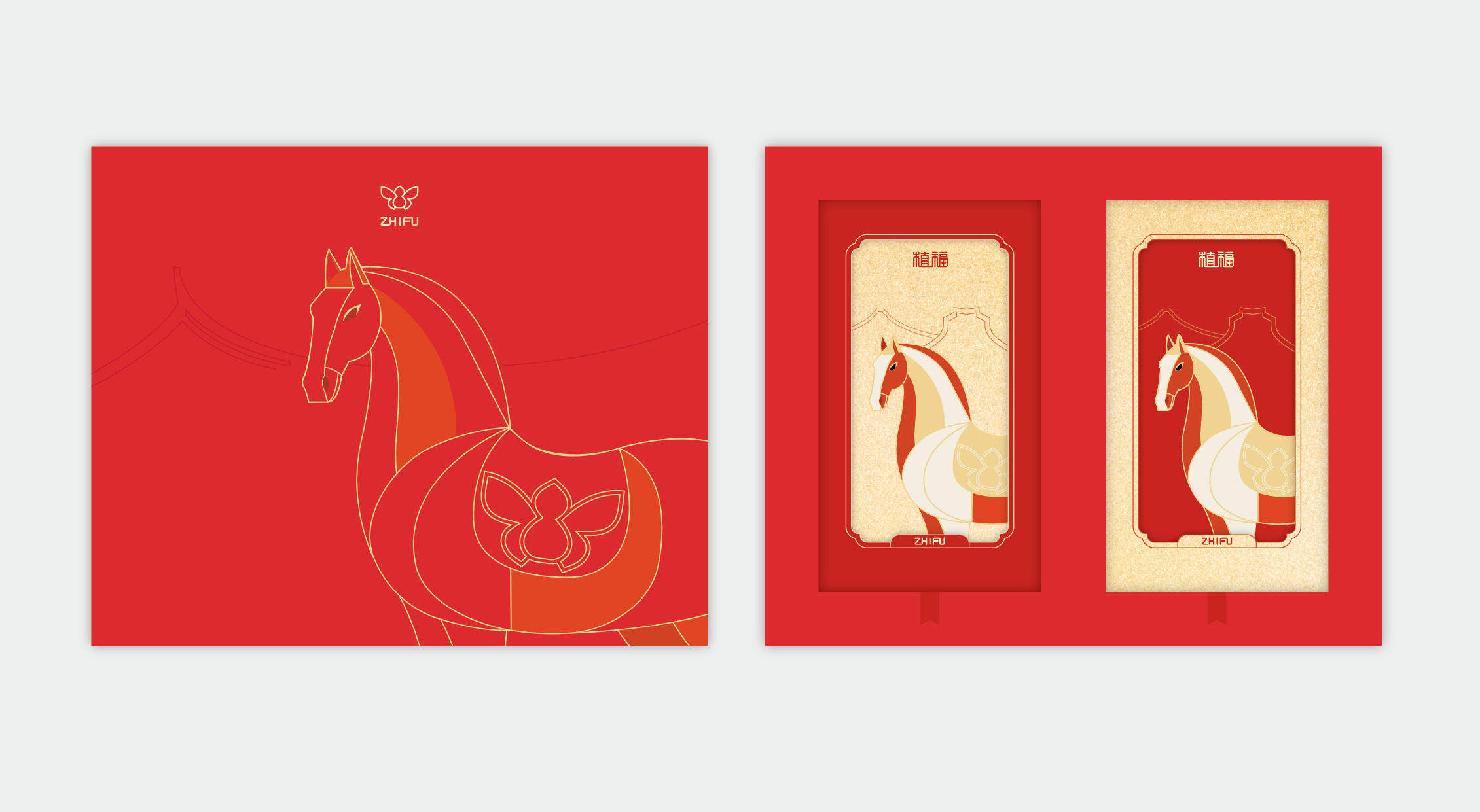
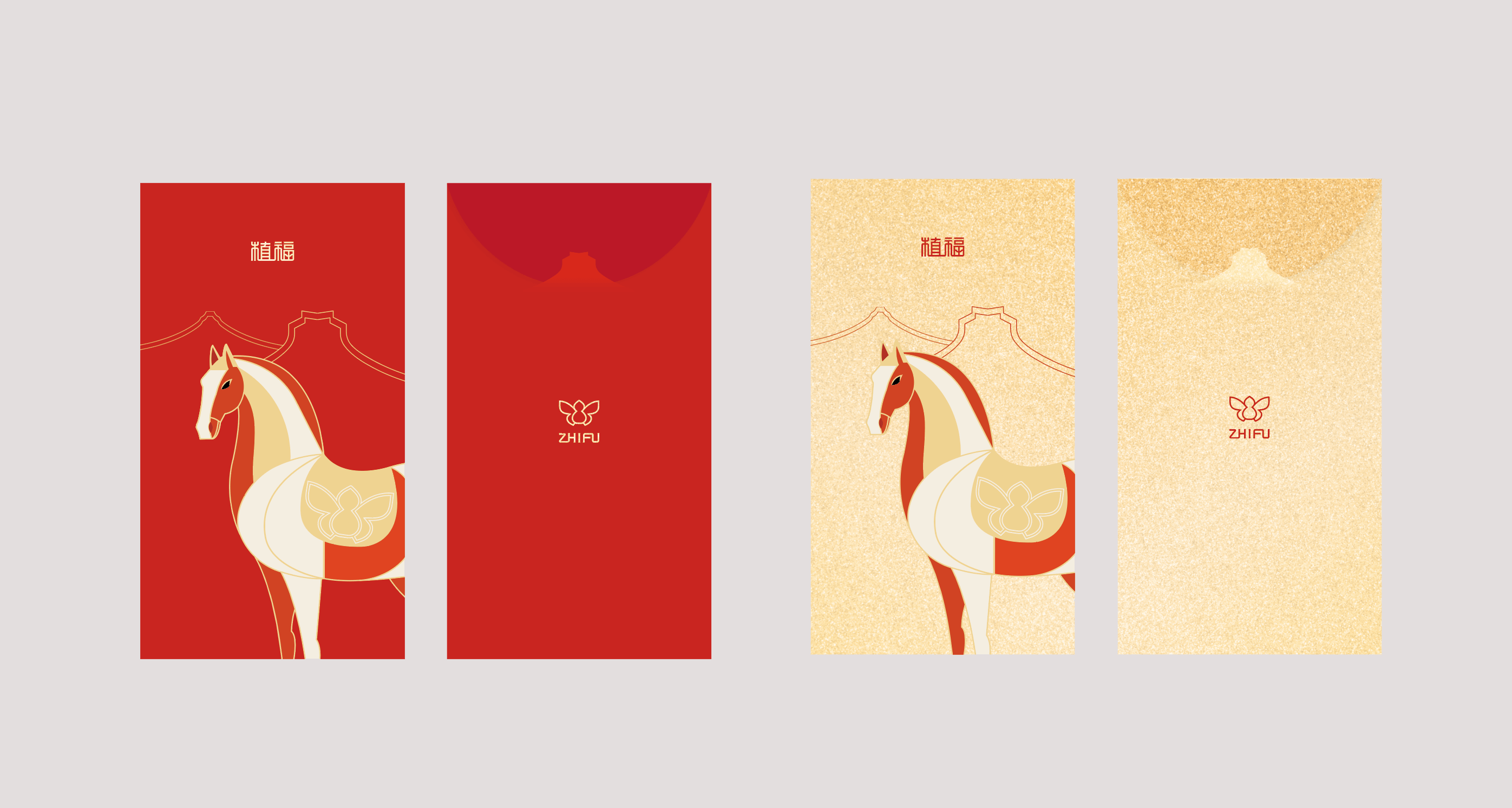
When a New Year red envelope becomes more than just a medium for conveying blessings, but rather a condensed expression of a brand’s aesthetic system and cultural narrative, it reflects the deep exploration of cultural consciousness and brand building by a brand and a generation of Chinese enterprises. Recently, the high-end jewelry brand Zhifu launched its “Jiawu Year of the Horse” series of paper and electronic red envelopes. Drawing inspiration from the “Six Steeds of Zhaoling,” and innovatively incorporating dynamic video expressions, this has sparked renewed attention within the industry regarding “the modernization of Chinese aesthetics” and the “deep construction of brand assets.”
This is not merely a successful holiday marketing campaign. Viewed through a deeper cultural logic, it presents how a mature brand systematically carries out the “translation of traditional culture.” From last year's paper-cutting "spirit snake" to this year’s horse lines, the core of the red envelope creation is not a simple reuse of traditional patterns, but rather a creative transformation of “extraction - abstraction - reintegration.” The brand extracts not the specific images of the horses, but the powerful and galloping spirit that they embody, and then integrates this with the brand's own minimalist and fluid jewelry design language.
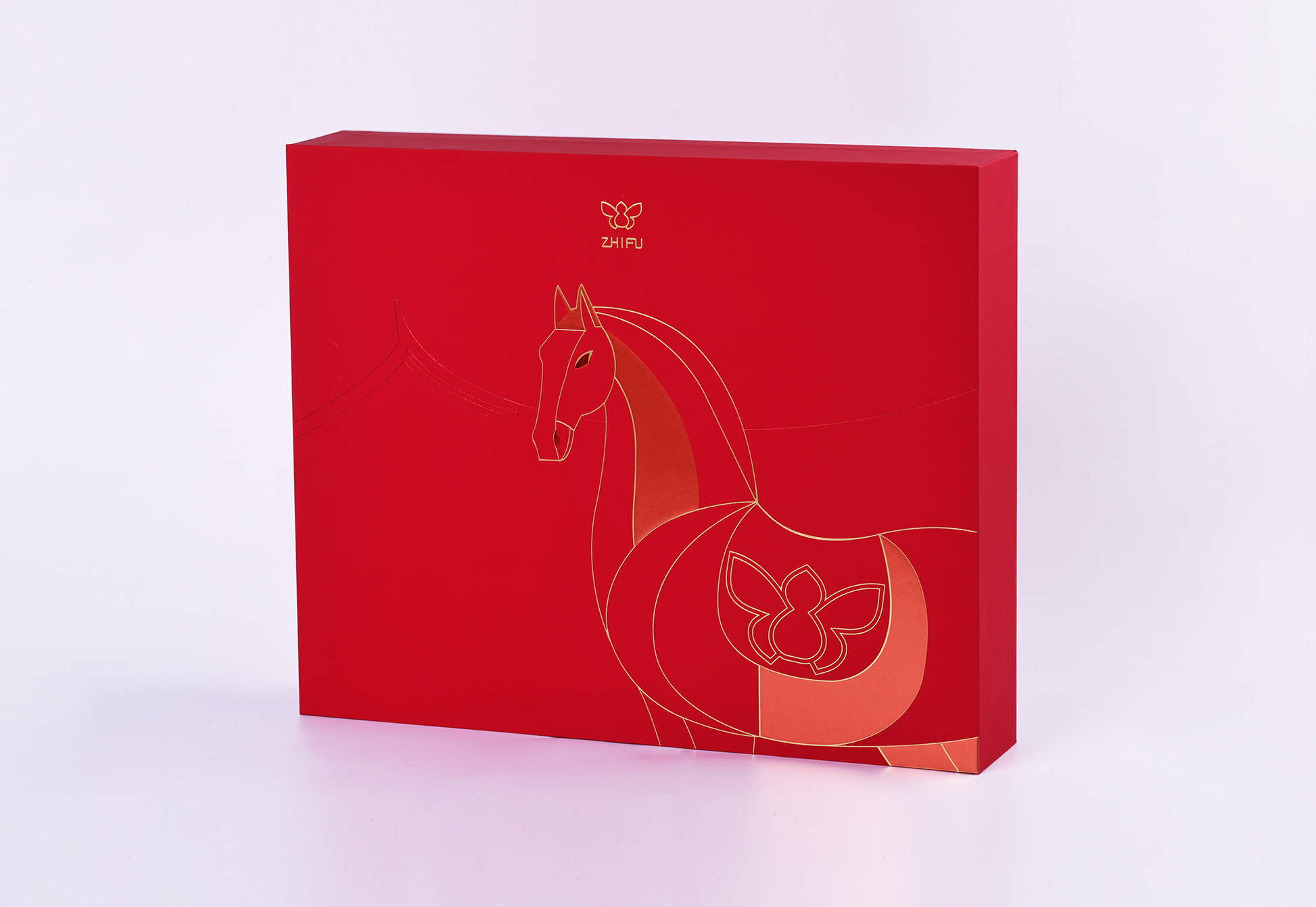 As pointed out by Lu Xiao, director of the International Luxury Brand Strategy Research Institute, the key value of this is the “high-level extraction and reshaping,” which merges classical spirit with contemporary brand philosophy, creating a new modern aesthetic symbol with intellectual property value. This marks a shift in the brand's cultural operation from superficial "element borrowing" to a deeper “spiritual encoding” stage.
 More groundbreaking is the conscious leap in the form of expression from “static” to “dynamic” in the electronic red envelopes. When classic elements like “Homecoming” and “Chasing Light” in the products are combined with corresponding artistic videos, the ancient Fujian houses, bougainvilleas, and five elements philosophy no longer serve merely as static decorative patterns but become flowing narratives filled with context and emotion. Essentially, multimedia methods have been used to create a miniature, immersive brand cultural scene. This attempt at combining motion and stillness indicates that the brand's cultural expression is transitioning from a one-way “visual output” to a two-way, experiential “emotional connection.” Market feedback also confirms this, as many recipients of the red envelopes view them as “collectible, shareable works of art,” spontaneously sharing them. This is the emotional added value generated by cultural resonance.
 From an industry perspective, Zhifu’s practice provides a referential example for “how Chinese brands can build a sense of luxury.” The source of this sense of luxury is not the imitation of Western luxury narratives, but rather a profound understanding of one’s own cultural roots and a confident expression of them. It reveals a path: with contemporary design language as the “technique,” Chinese aesthetic spirit as the “way,” and brand core values as the “soul,” the brand systematically accumulates cultural assets through annual, thematic cultural creations, continuously and progressively building its cultural capital.
 Thus, this small New Year red envelope becomes a microcosm. It reflects how leading Chinese brands are completing the transition from “Made in China” to “Taste of China,” from “users of cultural elements” to “translators and co-creators of contemporary aesthetics.” Its significance has gone beyond just a New Year gift; it marks an important step for Chinese brands in exploring their own identity and value narrative in the context of globalization.